Why Tropical Waterproofing Fails in Bali—And How We Solve It
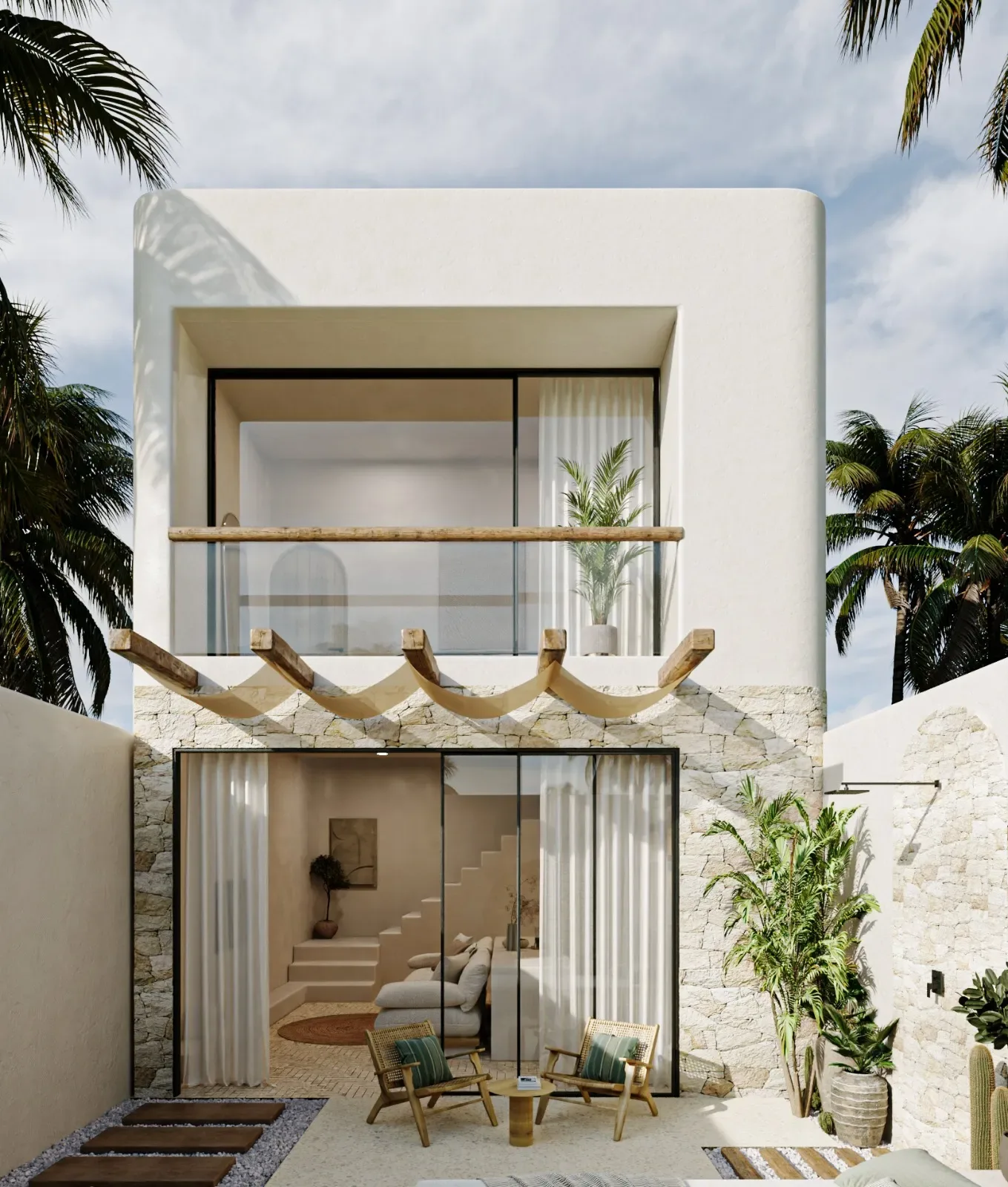
The Tropical Waterproofing Paradox in Bali
Every wet season between November and March, Bali experiences intense torrential downpours where rainfall can exceed 300mm within days. In standard villa construction, contractors frequently apply thin, paint-on acrylic membranes directly onto unprimed concrete. Under Bali's equatorial UV exposure, these membranes rapidly turn brittle, crack under thermal expansion, and fail within 12 to 18 months.
At Lumina Build, we never rely on single-coat brush-on chemicals for flat roofs or wet areas. We engineer a 4-layer bituminous torch-on barrier with continuous 300mm upstands, hydrostatic flood tests, and protective screeds.
Our 4-Stage Waterproofing Protocol
- ✓ Substrate Priming & Slope Correction: Ensuring a minimum 2% fall toward oversized stainless scuppers so water never pools.
- ✓ Crystalline Capillary Sealer: Chemical penetration into the concrete matrix, sealing microscopic pores from the inside out.
- ✓ Dual-Torch Bituminous Membrane: 4mm modified bitumen sheet with reinforced polyester fleece, heat-fused at 150mm overlap seams.
- ✓ 48-Hour Hydrostatic Flood Testing: Filling the roof with 100mm of standing water for 48 hours with electronic moisture detection beneath before applying the protective top screed.
Because of this rigorous engineering protocol, Lumina proudly issues an industry-first 5-Year Waterproofing Warranty that is fully transferable to future villa buyers.